


5 LLM Visibility Metrics You Should Track in 2026

Sille Christensen
December 3, 2025
SEO is now both about ranking in search engines and being visible in LLMs. We give you five visibility metrics every SEO should track in 2026.
Search today looks nothing like it did just a few years ago. Large language models (LLMs), such as ChatGPT, Perplexity, and Gemini, are now becoming a part of how people search — alongside traditional search engines. This mixed search landscape changes what visibility means and how we measure it.
Because success is no longer just about ranking well. It is also about understanding how LLMs use, mention, and represent your brand and content. That starts with tracking the right metrics. Here are five key LLM visibility metrics that every SEO agency and in-house team should monitor in 2026.
1. Visibility
Visibility refers to your overall presence in LLMs based on how often your brand or domain appears in AI answers. This metric helps you understand if LLMs mention you in their answers, even when they do not provide a direct link to your website.
Visibility reveals whether your efforts pay off in LLMs, where rankings do not guarantee exposure and traffic. If you notice a drop in your LLM visibility, it may signal that your content is no longer seen as relevant, prompting you to review and update your content.
2. Sentiment
Sentiment indicates whether the LLMs talk positively, neutrally, or negatively about your brand or product. The tone gives you insight into how LLMs perceive your brand and content.
Monitoring sentiment is fundamental because LLMs influence users’ trust and purchasing decisions. It allows you to identify reputation risks, optimize messaging, and ensure the LLMs do not misrepresent your brand. For instance, if LLMs consistently get your features wrong, you can respond by making your feature pages more structured and clear.
3. Mentions
Mentions tell you how often your brand appears in LLM answers, regardless of whether there is a link or citation. They reveal if your brand is part of conversations or fading into the background.
As more users turn to LLMs for answers, being mentioned becomes an important sign of topical relevance. If you are not mentioned in, for instance, a comparative list of the product or service you offer, you can use this data to guide your content efforts and optimize your existing content.
4. Citations
Citations happen when an LLM explicitly references your content, typically with a URL, letting you know how often the LLMs cite your domain.
LLMs often use citations to validate their output. Being cited means the LLM sees you as a trusted source that informs its answers, reinforcing your brand’s authority. For instance, if the LLMs often cite your how-to guides or other educational content, it shows that they see your content as reliable and your domain as a topical expert.
5. Sources
Sources are the webpages and domains that an LLM relies on to generate answers to a specific prompt. The sources indicate which content types and domains LLMs prefer.
This data allows you to tailor your content to match favored formats and structures. It also enables you to identify influential sources where you can build your presence. For example, if you notice LLMs favoring specific third-party sites in your industry, it may be worth building partnerships on those platforms to increase your brand’s presence in LLMs.
Track What Matters in the Age of AI Search
Tracking these metrics is the first step toward building AI visibility in 2026. As SEOs adapt to this new search landscape, tracking how LLMs perceive, present, and cite your content is essential.
We built AccuLLM to make that visibility measurable. It tracks all five metrics and many more to help you understand how your brand presence evolves in LLMs. Have a chat with our experts to learn what our LLM tracking can do for you.
Related blog posts

How LLMs Change Traditional SEO Metrics
Learn why rankings, CTRs, and impressions fail to measure visibility in AI-powered search — and what SEOs should track instead.
15 July 2025
Track Your LLM Performance with AccuLLM
You can now track ChatGPT, Perplexity, AI Overview, and AI Mode with AccuLLM. Learn how we help you monitor your LLM performance.
20 October 2025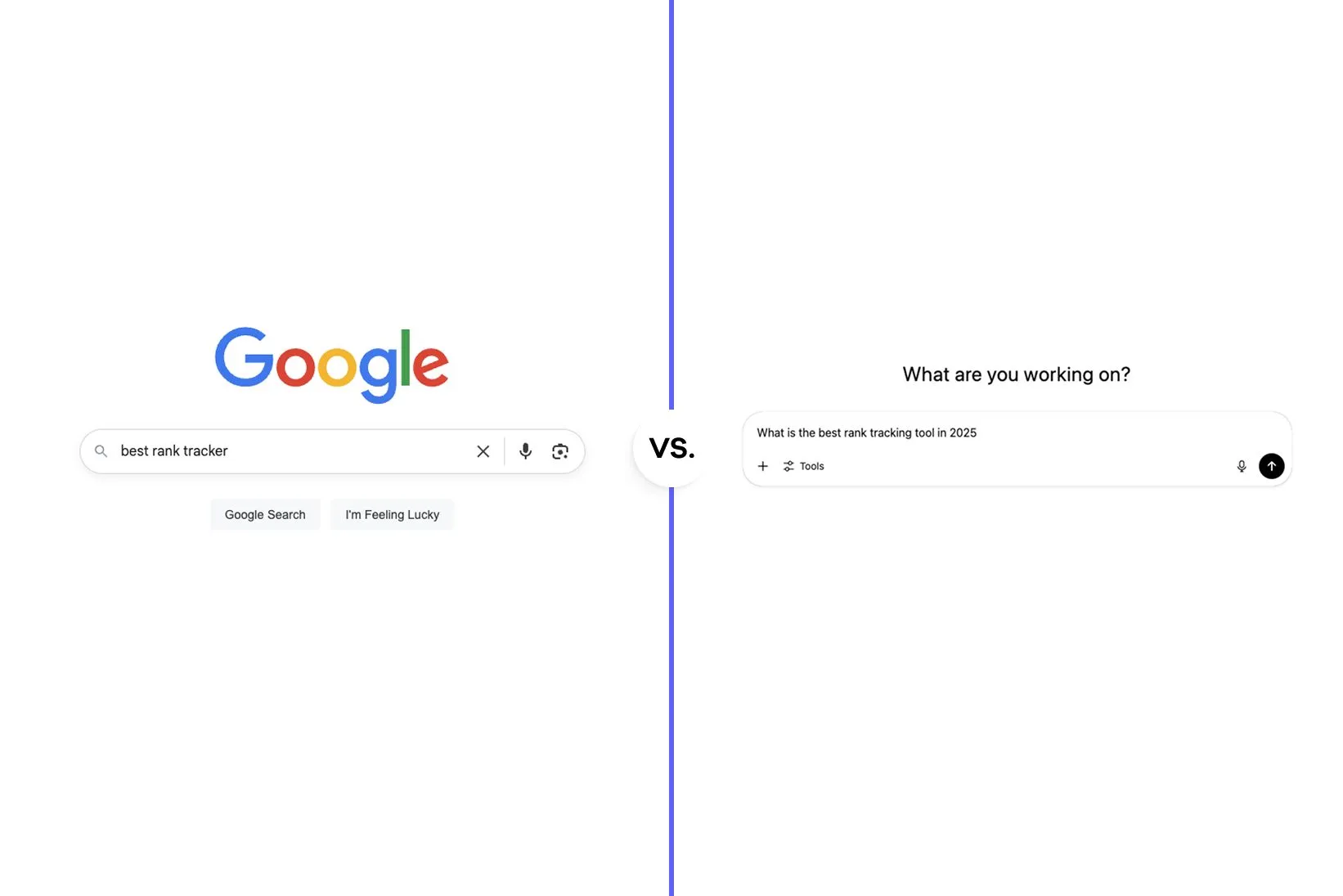
LLM Tracking Explained
Learn what LLM tracking is and why being mentioned in AI-generated answers is becoming a vital layer of visibility in SEO.
13 July 2025